Flashbacks

studies

Novelists are often advised not to write flashbacks. Or at least, if we do, we are told we’d better be a seasoned genius, not a wet-behind-the-ears first time novelist.

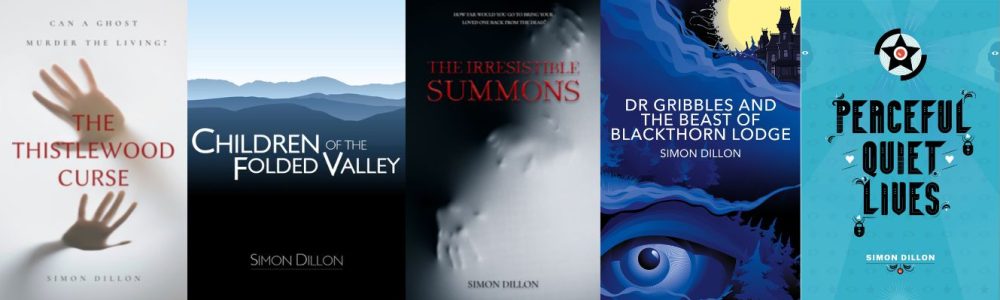
Like all other advice of this kind, I take it with a pinch (and occasionally a sack) of salt. Flashbacks are like any other narrative device. They can be done well or badly. I have not used them before unless you count a framing device in Children of the Folded Valley, in which case, the bulk of the novel is a flashback, technically speaking.

However, in a novel I wrote last year entitled The Irresistible Summons, I finally took the plunge and included flashbacks when I could think of no better alternative. The three chapters in question are staggered throughout the first half of the novel, and gradually reveal vital backstory that could only otherwise be told by one character to another in a lengthy explanation of something that took place in her childhood. This would have been less dramatic, and it would also have robbed the story of the emotional power I wanted it to contain.

There then comes the thorny question of where to place the flashbacks amid the main narrative so it feels seamless and not an intrusion. This proved fiendishly tricky, but with a bit of rewriting and other jiggery-pokery, I think I got away with it. The three individuals who have read early drafts all agreed that the flashbacks were both integral and well-placed. Cue huge sigh of relief from yours truly.

So yes, whilst flashbacks are a difficult trick to pull off, they are sometimes worth including in my view.
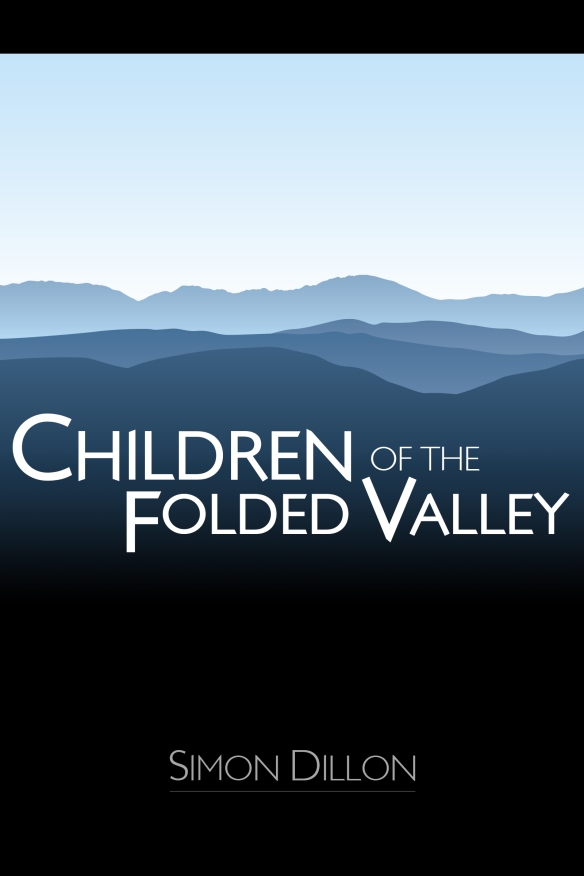
Get Children of the Folded Valley FREE – for five days only!

Get my most successful novel Children of the Folded Valley absolutely FREE on Kindle from Amazon – for five days only!

Folded Valley cover

Here is the blurb from the back of the book:

During a journey to visit his estranged sister, James Harper recalls his childhood growing up in a mysterious valley cut off from the outside world, as part of a cult called the Folded Valley Fellowship.

In this seemingly idyllic world, the charismatic Benjamin Smiley claimed to be protecting his followers from an impending nuclear apocalypse.

But the valley concealed a terrifying secret.

A secret that would change Smiley’s followers forever.

Here is a sample of the many raves reviews (mainly from the Amazon page):

“I don’t usually leave reviews but I felt so strongly about encouraging people to read this fantastic book. It had me captured from start to finish. At one stage in the book I actually thought it was a true story.” – Paul, Amazon.

“The use of re-written religious doctrine to control, govern and frighten is particularly chilling… Full marks to Simon Dillon for this creative and highly readable novel.” – Around Robin, Amazon.

“Creepy and unnerving. Kept me gripped the whole way through.” – Lucyboo, Amazon.

“I couldn’t put it down.” – Bukky, Amazon.

“Really well written, well thought through, compassionate… Full of empathy.” – Over, Amazon.

“So well written, you could believe it was a memoir.” – Shelley, Amazon.

“A perturbing and very original story… The ending is magnificent.” – Joan, Goodreads.

Of course, if digital books aren’t your thing, print copies can be ordered here (alas, not free).

Adverbs: The Work of the Devil?

adverbsOne frequently reads writing advice to the effect that adverbs are the source of all evil. Some of these articles are so vehement I actually checked the Bible to see if adverbs were a result of Adam and Eve eating from the Tree of the Knowledge of Good and Evil in the book of Genesis.

My own, rather more liberal view on adverbs is simple: if you use them to clarify, no problem.

For example, in “Simon smiled happily” the “happily” is superfluous. On the other hand “Simon smiled cruelly” could work well, depending on the context of course. If Simon is busy sadistically torturing a victim, then “cruelly” would also be superfluous as his sadistic acts speak for themselves. On the other hand such a sentence could work if the expression turns a scene. Perhaps you think Simon is a good guy then all of a sudden he smiles cruelly, indicating bad things to come.

Another example: people can sigh for different reasons. “Simon sighed…” Contentedly? Wearily? Reluctantly? Again it depends on the individual scene in which Simon sighs, but sometimes adding the adverb helps.

In short, for me, good use of adverbs is no bad thing. As usual it is all about context.