Medium publication Fictions recently published my sci-fi horror novella Infestation.
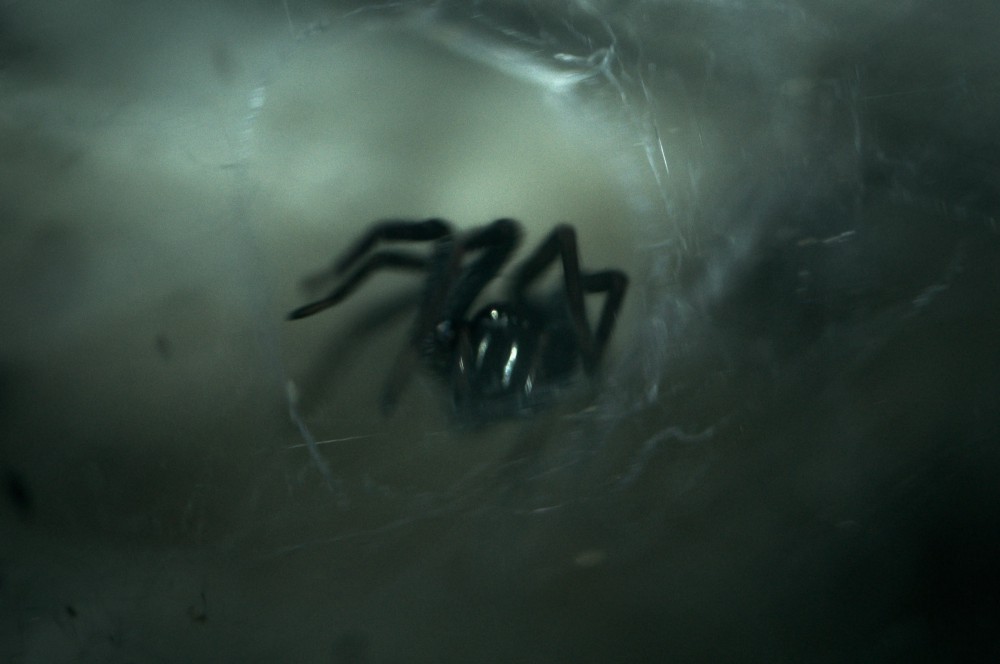
Set in the near-future, Infestation concerns the mysterious appearance of giant spider nests across the globe. Exactly where they came from is unknown, but despite the initial terror, life has settled down somewhat, especially in the UK, where humans have learned to keep away from cities lost to the spiders.
Against this backdrop, covert ops mercenary Jonah Seymour leads a dangerous and unpleasant mission of revenge into a large spider nest, at the behest of a wealthy, influential businessman. Jonah agrees to this potentially lethal assignment because his pay will ensure his wife gets the urgent medical treatment that will save her life. But the deadly ordeal that awaits is beyond anything Jonah could possibly have imagined.
All six parts are available for your reading pleasure on Medium:
I recently had a short story published in Fictions on Medium that I’m rather pleased with. It’s entitledApocalypse 1983and is inspired bythe real-life 1983 Soviet nuclear false alarm incident, which you can read about here. I won’t spoil my take on this alarming historic incident, but I will say my story was a response to a writing prompt from Fictions that specified the story be set in 1983 and feature a radio at some point.
Apocalypse 1983 is a good deal shorter than my usual short stories (just north of 2,000 words as opposed to the usual between 10,000 and 15,000 words), but it packs in quite a lot. I hope you find it interesting. You can read it in full on Medium here.
This year marks the 10th anniversary of my debut novel Uncle Flynn. Well, sort of. Technically the first version appeared on 30th December 2010, but paperbacks followed in 2011, so it’s sort-of the 10th anniversary. Either way, this treasure hunt adventure for the young and young at heart still holds an important place in my heart.
Uncle Flynn was in fact the eighth novel I wrote, but the first I decided to self-publish. Having been turned down by agents and publishers, my brother-in-law suggested this thing called Kindle on Amazon, and I decided to give it a go. The book was a modest success, and received some very good reviews – although I’m sure the fact that it was free at that time helped.
Plot
The story concerns eleven-year-old Max, a boy who suffers from crippling phobias and anxiety. Estranged from his workaholic father, Max’s life gets interesting one day when his mysterious uncle Flynn – an archaeologist normally working in South America – comes to visit.
During his stay, Max and Flynn discover clues pertaining to a local legend – a treasure buried on Dartmoor by monks, during the sacking of Buckfast Abbey at the time of Henry VIII. Following these clues lead to the discovery of a map. Max begins to put aside his many fears and hang-ups due to his obsession with finding the treasure. Flynn is equally obsessed, despite the dangerous presence of rival treasure hunters.
Complicating matters even further, once they set off across Dartmoor, Max discovers the police are on their trail. What has his uncle done to put himself at odds with the law? Flynn urges Max to help him evade his pursuers. Because he is so desperate to beat their rivals to the treasure, Max agrees, despite his uncle’s refusal to tell him why he is on the run.
As well as following in the tradition of well-known titles like Swallows and Amazons, Treasure Island, and adventure films like The Goonies, the novel was initially inspired by the many walks I had taken with my eldest son on Dartmoor (to whom the novel is dedicated). We had visited several memorable locations, including Cater’s Beam, Sherberton Stone Circle, the “Crock of Gold” Bronze Age tomb, and Wistman’s Wood. These all turn up in the novel, even if I am somewhat liberal with the geography.
Some of the dangers faced on Dartmoor by the characters are not entirely fictional. There are deadly mires, especially the notorious Fox Tor mire and Raybarrow Pool. In addition, there are wild boar in the west (now documented fact). There have also been several panther sightings, though most of these were on Exmoor rather than Dartmoor. The sheer number of these (and a few dubious photographs) raise eyebrows on a regular basis, although how they got there is a mystery. Some suggest that the UK Dangerous Pets Act in the 1970s caused eccentrics who owned big cats to turn them loose, and that they somehow bred in the wild. And yes – you can see adders on the moors at warmer times of year, though they typically slither away if you get anywhere near them.
Buckfast Abbey was another key location used in the book. Much of the history of the abbey works its way into the novel, especially regarding how Henry VIII burned priceless Catholic books, closed the abbey, and had its gold and other treasures transferred to London. William Petre, who is mentioned in the novel, oversaw this process. He later retired in the south-west, purchasing a couple of manors. Uncle Flynn moves beyond these facts to suggest William Petre had other motives for returning, namely that he had become obsessed with tracking down the treasure hidden by a few clever monks that had slipped through his fingers.
I suppose the novel is mainly about overcoming fear and the dangers of mollycoddling. My protagonist Max suffers severe anxiety and panic attacks. He has many phobias, and there are satirical suggestions that an increasingly risk-averse society is at least partly to blame. For instance, one sequence early in the novel has Max being initiated into a secret club in school – a club that dares to play conkers without “protective head gear”. Max and the other children are caught and punished for their dangerous behaviour. This may sound absurd, but my late father (who was a teacher) informed me this kind of nonsense has been introduced in some UK schools.
Such satire is largely peripheral, and the novel implies throughout that Max’s difficult, estranged relationship with his father is what really lies at the heart of his problems. In attempting to impress his father, Max – along with his mysterious, genuinely dangerous uncle – takes increasingly reckless action in his quest to find the treasure. The irony is mollycoddling actually leads Max to take greater and greater risks.
Of course, this makes the novel sound terribly heavy and worthy, and I can assure you it isn’t. It is, first and foremost, a children’s adventure story. I didn’t write it to deliver any kind of “message”. However, I noticed these themes and ironies after the fact. What is important to any author will always be inherent in the text of their work, and in this case, I can see these themes in retrospect.
Uncle Flynn is available on Kindle and in paperback here (in the UK) and here (in the US).
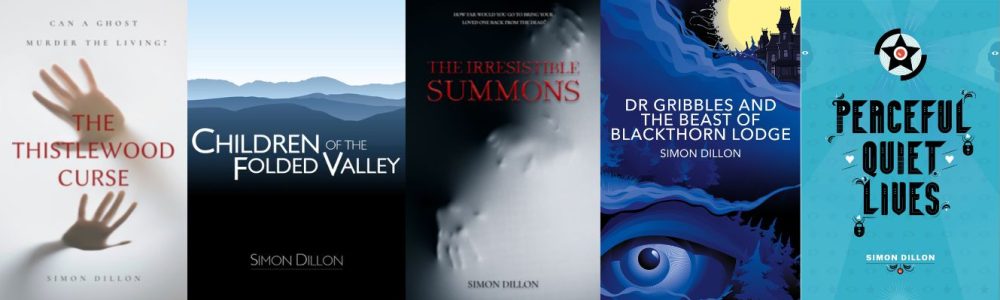


 Simon Dillon Books
You must be logged in to post a comment.